
The Art of Liubai: Mastering Negative Space in Your Artwork
- koolala studio
- Mar 9, 2023
- 2 min read

Updated: Mar 11, 2023
As artists, we are taught to fill the canvas with colors, shapes, and lines. We are trained to create detailed and realistic depictions of our subjects, leaving nothing to the imagination. However, there is a technique in art that goes against this norm, and it's called Liubai.
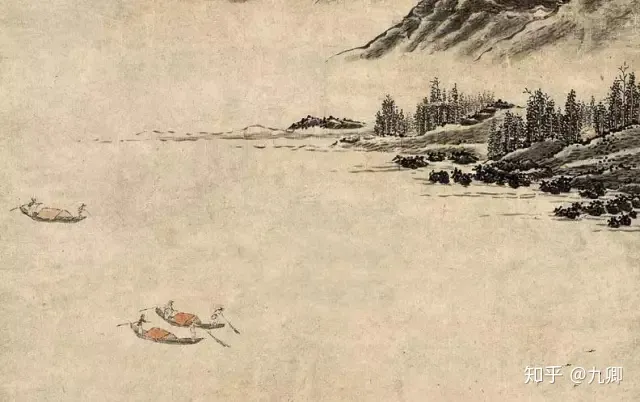


( Chinese Brush Painting )


( Wu Guanzhong, 1919-2010, Chinese Brush Painting )
Liubai is a concept in Chinese painting that involves leaving negative space or blank areas in your artwork intentionally. It is not merely leaving parts of the canvas untouched; it is a deliberate use of negative space that creates balance and harmony within the artwork. Liubai is not exclusive to Chinese painting, and it can be applied to any form of art, including drawing, painting, or even photography.
One of the significant advantages of Liubai is its ability to create a sense of depth and movement in the artwork. It allows the viewer's imagination to fill in the blank spaces, creating a more interactive experience with the artwork. Liubai can also help draw attention to the focal point of the artwork, highlighting its importance and allowing it to stand out from the rest of the composition.
Mastering the art of Liubai requires practice and experimentation. It's not just about leaving blank spaces in your artwork, but it's about knowing where to leave them and how much to leave. It's about finding the right balance between positive and negative space, and it requires a keen eye and a sense of intuition.
In conclusion, Liubai is a powerful and effective technique that can add depth, movement, and balance to your artwork. It's about knowing how to create negative space intentionally and finding the right balance between positive and negative space. By mastering the art of Liubai, you can take your artwork to the next level and create pieces that are not only visually striking but also emotionally engaging.


( The art of Liubai - 'Koolala Project' )


Comments